When a patient needs to have a temporary pacemaker installed, for example, as for preoperative support during surgery, it is advisable to implant it one day before the surgery. If after the surgery, the patient awakens and recovers fully in the recovery room, the temporary pacemaker can be removed on the third day. In this case, it is placed for three days. In the case of patients with myocardial infarction, especially those with inferior wall myocardial infarction combined with bradyarrhythmia, the patients are likely to recover completely. In emergency situations, temporary pacemakers can be placed. They can be left in place for up to one week or until the patient stabilises and fully recovers. But generally, they should not be placed for more than one week.
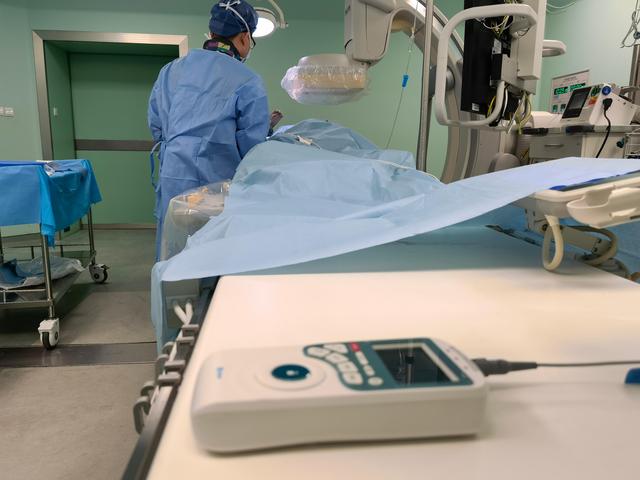
Patients with severe myocarditis may experience a high conduction block and can be hemodynamically compromised, requiring a temporary pacemaker, which may be placed for a longer time because the recovery is slow. If the patient has not shown improvement beyond one week after aggressive treatment, it may be necessary to discuss the possibility of implanting a permanent pacemaker. If the patient's condition permits, he or she may wait two weeks. If the patient does not recover after two weeks, a permanent pacemaker may be needed.
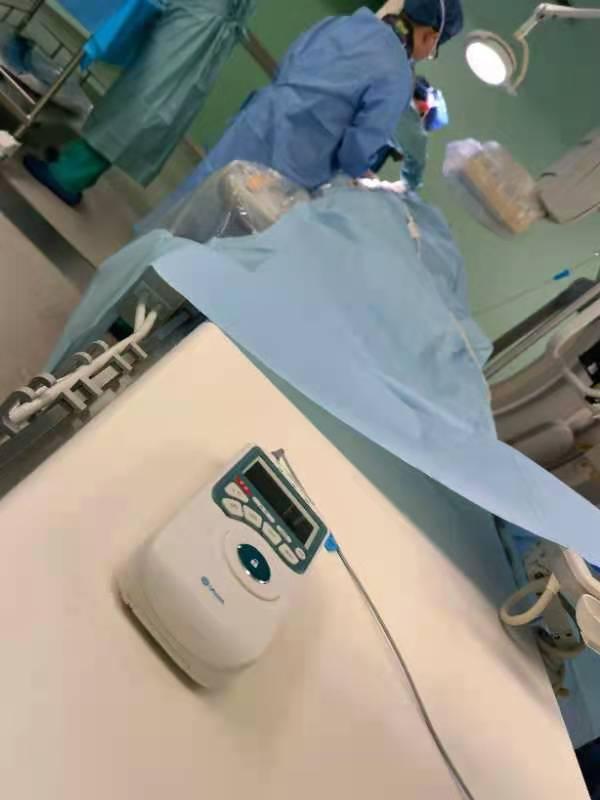
In some patients with atrial fibrillation complicated with high atrioventricular block, there can be long pauses and cardiac arrests, at which point the patients may experience fainting. Patients need medications to suppress the atrial fibrillation, and some hospitals will implant a temporary pacemaker, which prevents the heart rate from slowing down due to the medication. If the atrial fibrillation recurs, the temporary pacemaker will not be removed. However, if the patient develops signs of infection, redness at the catheter site, and a fever, the temporary pacemaker should be removed as soon as possible to avoid bacterial endocarditis, which could worsen the patient's condition. Therefore, in situations where the temporary pacemaker is required, it should not exceed three weeks.
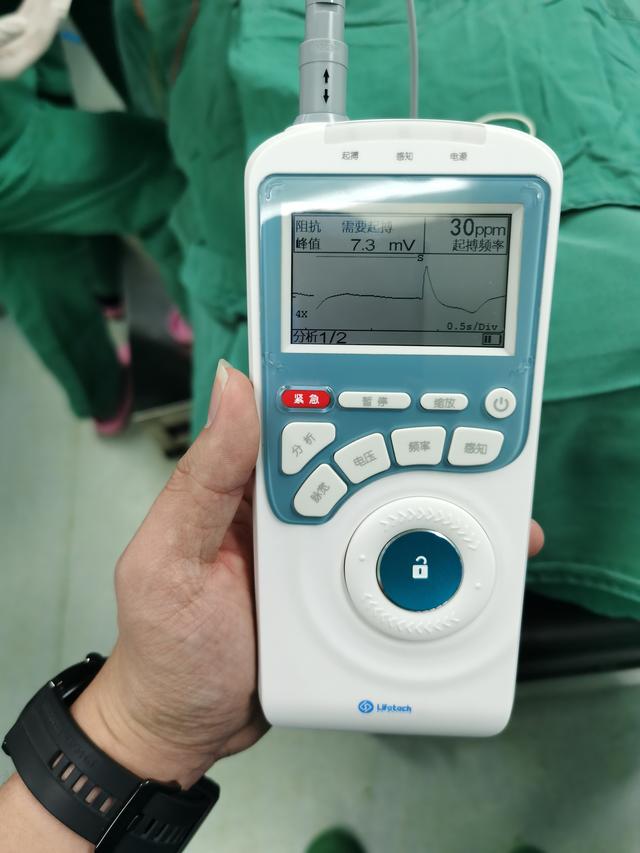
The temporary pacing electrode catheter is usually left in place for no more than two weeks. If left in for a longer period of time, poor wound compression and dressing can easily lead to infection, resulting in sepsis or endocarditis, which are extremely severe complications.


 互联网药品信息服务资格证书 (粤) -非经营性-2021-0041